Aves Honduras Sistership
A shared commitment to migratory birds is bringing the North Fork Audubon Society (NFAS) and Aves Honduras together in a new international partnership.
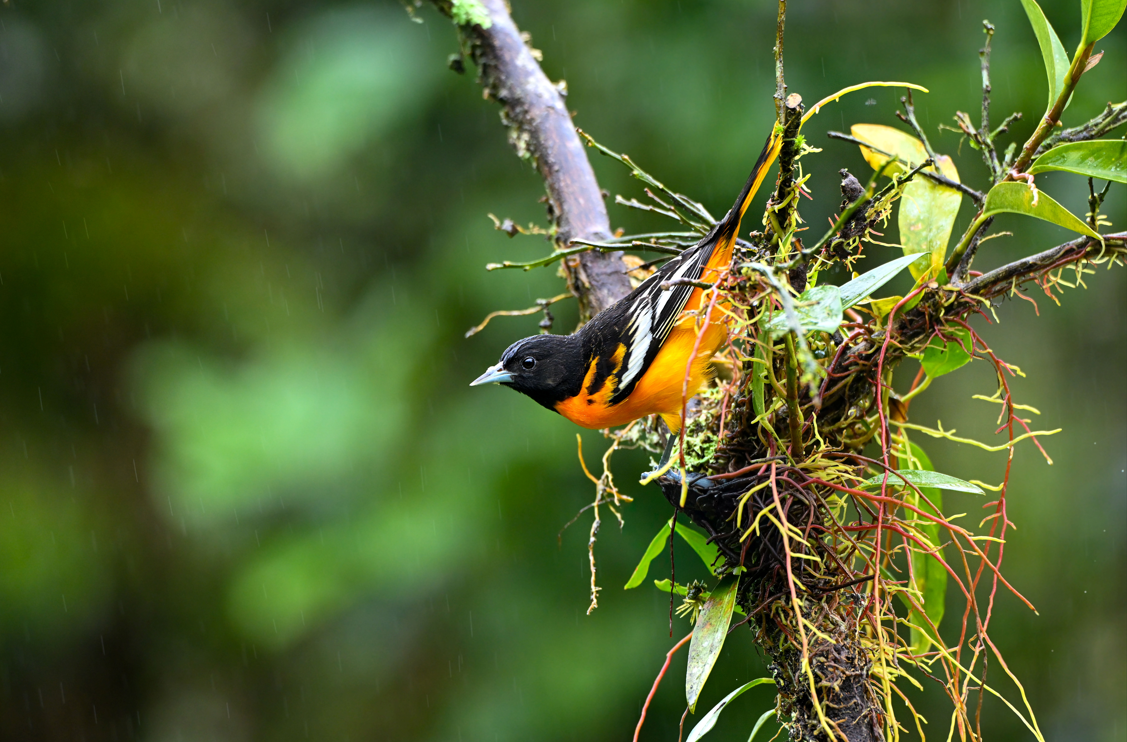
Birds know no borders. Every year, many species familiar to the North Fork of Long Island, including Baltimore orioles, wood thrushes, and warblers travel thousands of miles between their breeding grounds here and their wintering grounds in Central and South America.
Recognizing that the conservation of these shared migratory birds requires collaboration across borders, NFAS and Aves Honduras have established a new long-term strategic alliance to strengthen cooperation between Honduras and New York. Although based in different countries, both organizations share a commitment to bird conservation, habitat protection, environmental education, and the development of sustainable strategies that benefit both birds and communities.

Members of Aves Honduras and visitors from North Fork Society at the Aves Honduras Sanctuary Santa Cruz Forest, Francisco Morazán.
In January 2026, members of NFAS traveled to Honduras to visit key bird habitats and conservation areas, meet with local conservationists, and learn more about the challenges and opportunities facing migratory birds along their shared journey. This visit marked an important step in building the new sister-country partnership, which will foster transparent and responsible collaboration on the conservation of migratory birds shared between Honduras and New York.
To learn more about our trip, click here to read the article in the 2026 Spring/Summer Kingfisher Newsletter.
The initial phase of the alliance will span three years, with a focus on strengthening the Honduras Bird Sanctuary Program through technical collaboration and financial support. The partnership will also promote birdwatching tourism and the exchange of knowledge and experiences, creating opportunities for people on both sides of the migratory flyway to learn from one another and contribute to bird conservation.
Together, NFAS and Aves Honduras are working toward a shared vision: protecting the habitats migratory birds depend on throughout their annual journeys and building lasting connections between the communities that care for them.
If you believe in our mission and the importance of our Aves Honduras Sistership, please consider making a donation. Your support helps strengthen this international partnership and protect the birds and habitats we share.